
If you’ve been curious about the differences between live resin and shatter, you’re in the right place. Both of these concentrate styles are wildly popular, but they’re different in some very important regards.
Shatter is a hard, glass-like solid concentrate, while live resin is sticky, less durable, and far higher in aromatic terpenes.
Let’s go on a deep dive into the differences between live resin vs. shatter: what they are, how they differ in terms of terpenes, flavor, potency, and texture, how to use them, and how to choose between them.
Live Resin vs. Shatter: What Are They?
Both live resin and shatter are popular forms of concentrate, but they start from different materials and end up as very different products. Here’s how to differentiate between these two iconic styles:
What is Live Resin?
Live resin has very unique beginnings: It’s made from fresh-frozen (as opposed to dried and cured) cannabis. That’s key to why it preserves more of the plant’s original terpene profile. The freezing locks in the maximum amount of essential oils, resulting in a flavor experience that simply has to be sampled to be believed.
Curious about the differences between cured and live resin? They’re both important variants of this essential concentrate style. Explore more with our Cured Resin vs. Live Resin guide.
What is Shatter?
Unlike live resin, shatter is extracted from dried, cured flower, the kind you smoke or make into edibles. How does it get that incredible consistency? That’s thanks to a special purging and filtration process that results in its glass-like, translucent consistency.
To learn more about the wide world of concentrates and extracts, begin with our essential guide to What Are Cannabis Concentrates?
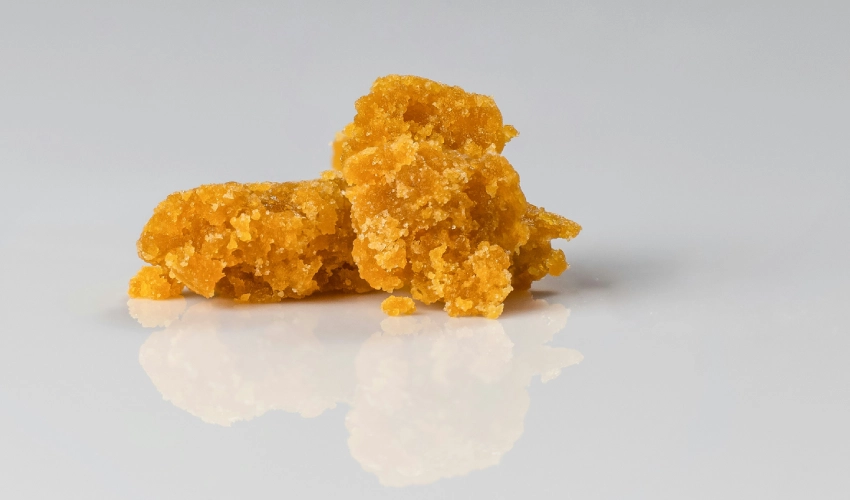
Live Resin vs. Shatter: The Key Differences
Let’s be clear: In the big picture, the difference between shatter and live resin is slight. Both are potent concentrates, and both have roughly similar shelf lives and storage needs. But if you’re interested in the sensory experience of cannabis, it’s important to understand where they diverge.
Terpene Content & Flavor
From a consumer standpoint, the major difference between live resin and shatter centers on flavor. Like most concentrates, shatter’s flavor profile is largely shaped by the curing and purging process. By way of comparison, live resin retains a far higher proportion of volatile terpenes thanks to the unusual fresh-frozen extraction process we described earlier. For even more background on how this process plays out, visit this deep dive on the topic.
Potency
By their nature, all cannabis concentrates are markedly more potent than flower is. But…how much more potent are we talking? While product-to-product variations are normal, in general live resin ranges from 50% to 90% THC, while shatter typically ranges from 50% to 80% (though some premium batches reach up to 85%). As with all cannabis products, however, this is intended as a rough guideline, not a promise of stronger or exact effects.
Texture & Consistency
Compared with shatter, live resin typically presents as softer in consistency, sometimes appearing as a sauce-like or waxy semi-solid. Shatter, on the other hand, is unmistakeable. It’s hard, glassy, and snaps cleanly into pieces. This gives it a very different handling quality than live resin. Some prefer the clean, candy-like texture of shatter, while others find live resin easier to work with.
These differences also have an impact on price. Due to its unusual (and more labor-intensive) extraction process, live resin often carries a premium. However, if you prefer working with its softer consistency, you might find this is an asset resulting in lower potential for waste. Like so many aspects of cannabis, it really comes down to your personal preference.
Which Concentrate is Right for You?
Take it from us: There’s no wrong answer! Whether you prefer live resin or shatter really comes down to questions such as:
- Are you a new or an experienced consumer?
- Do you gravitate toward bolder flavors or. higher potency?
- What about your preference for physical handling qualities?
Understanding how the answers to these questions stack up can give you valuable insights as to what type of products best suit your needs. And for more insights into alternative concentrate formats and styles, visit our guides on Live Resin vs. Distillate and What Are THC Diamonds?
How to Use Live Resin and Shatter
Whether we’re talking live resin, shatter (or any other concentrate style) they can all be consumed in similar ways, but their differences in texture and handling call for slightly different techniques and tools. Here’s a rundown on ways to approach their use:
Dabbing Live Resin and Shatter
For either format, a dab rig or e-rig is the standard consumption tool. In terms of handling, that’s largely tied to texture. Shatter’s brittle structure makes it easy to break off a clean dose. By contrast, live resin’s softer consistency is easier to scoop but can be messier to keep track of and clean. For practical tips and guidance, check out our Dabbing Made Easy post.
A note on flavor: Especially with high-terpene formats such as live resin, you may want to investigate the use of carb caps or low-temp dabbing to preserve the highest percentage of these precious aromatic compounds.
Other Ways to Use Live Resin and Shatter
Even without a specialized dab rig, there are other ways to enjoy these crucial cannabis compounds. You can crumble, break, or smear small amounts into ground flower in a pipe or joint, or use them with a vaporizer specially designed to handle concentrates.
Shatter’s hard consistency can be trickier to portion for mixing, while live resin’s pliability makes it easier to spread in small, manageable amounts.
Storage Tips for Live Resin and Shatter
We recommend storing any type of cannabis concentrate in a cool, dark, airtight storage environment to avoid heat- or light-caused degradation. To keep cannabis concentrates fresh and potent, store them in airtight glass or silicone containers in a cool, dark, and dry place such as a drawer or cabinet, aiming for an ambient temperature of around 60°F to 70°F.
Special note for terpene-rich products, including live resin or rosin: If the product is to be consumed over longer periods, keep them in the refrigerator, and always let cold jars reach room temperature before opening to prevent condensation. And if you’re worried about sticking, lean on parchment paper or silicone containers to prevent wastage and other sticky situations.
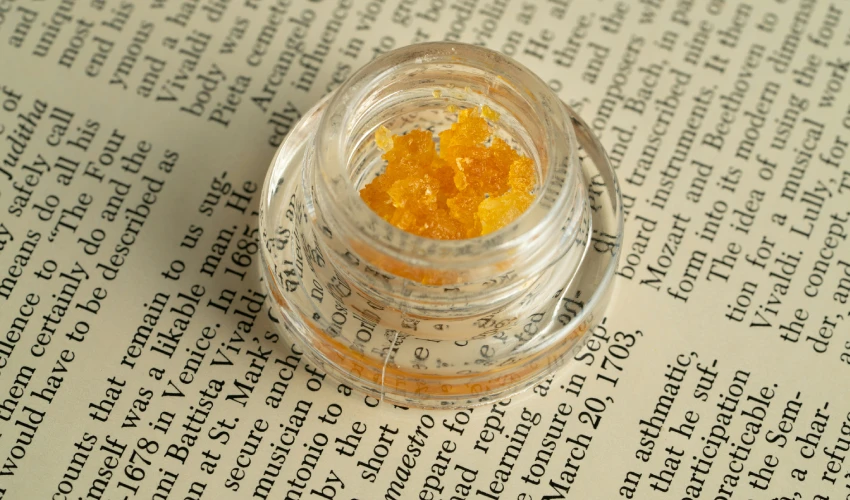
Find Live Resin and Shatter at Mission
These two concentrate styles both impart high potency and intense effects, but there’s important distinctions to be aware of. If you’re ready to explore the worlds of shatter and live resin, we’d love to help you find your perfect fit. Start at our introduction to extracts and concentrates page or get off on the right foot with the in-house Dabl line, a family of versatile, high-potency products including live resin, solventless hash rosin, and Rick Simpson Oil (RSO).
Have questions about using shatter, live resin, or any other cannabis products? Our budtenders are here to help!
FAQs About Live Resin vs. Shatter
What is the difference between live resin and shatter?
If you’re comparing live resin vs. shatter, the most important distinction is that shatter is hard and glass-like, while live resin is a sticky, high-terpene extract made from fresh, flash-frozen whole plants. Live resin focuses on bold flavor, while shatter offers easier handling and a longer shelf life.
What is live resin shatter?
While standard shatter is made using dried and cured cannabis, live resin shatter is made with fresh, flash-frozen flower that preserves a far higher proportion of terpenes.
Is live resin stronger than shatter?
Comparing live resin and shatter, live resin often feels stronger thanks to its phenomenal terpene content, although shatter typically has a slightly higher raw THC percentage. Both typically test between 60% and 90% THC, but they deliver slightly different experiences.
Does live resin or shatter have a longer shelf life?
Thanks to its hard, glass-like consistency, shatter is typically more shelf-stable than sticky, terpene-rich live resin.
Is live resin more expensive than shatter?
In general, live resin is pricier because it’s made using fresh-frozen cannabis, and thus requires extra steps to preserve the plant’s natural flavors.

