
Confused by the difference between THCa and THC? You’re not alone! Both major “active ingredients” in the cannabis plant—the difference between THC and THCa is that the first is an intensely psychoactive and intoxicating compound, while the second is a non-psychoactive cannabinoid that’s been linked with some potential benefits without the haze.
In this guide, we’ll break down the differences between THCa vs THC, including how each compound forms, how they affect the body, how potency compares, and what these cannabinoids mean for different cannabis products.
THCa vs THC at a Glance: THCa is a non-psychoactive compound found in raw cannabis; when it’s heated, it becomes the intoxicating compound THC. This means that heat (through smoking, vaping, or cooking) converts THCa into THC through the process known as decarboxylation.
What Is THCa?
If you’ve ever shopped at a cannabis dispensary, you’ve probably noticed that every batch of cannabis flower, pack of pre-rolls, and tin of concentrates has a clearly marked THC content or percentage on its label. Because THC is such a crucial part of the cannabis experience and can have varying effects on people, state regulations require that consumers know just how much of the cannabinoid each product contains.
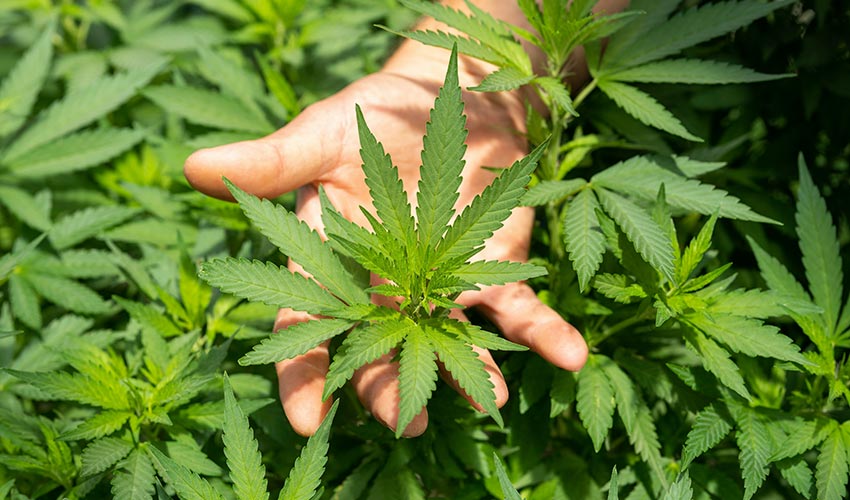
What many people don’t realize, however, is that fresh cannabis doesn’t naturally contain much THC at all. Instead, the cannabis plant primarily produces THCa (tetrahydrocannabinolic acid), the precursor compound that eventually becomes THC. The extra “A” in the name indicates that the molecule exists in its acidic form, which is how many cannabinoids are first produced in the plant. Other well-known cannabinoids follow the same pattern. For example, CBD begins as CBDA, and CBG begins as CBGA.
This raises an important question: Is THCa the same as THC? Not exactly. Although the two molecules are closely related, THCa contains an additional structure called a carboxyl group. This small difference prevents THCa from binding efficiently with CB1 receptors in the body’s endocannabinoid system, which is why raw cannabis typically doesn’t produce intoxicating effects.
Only when heat is applied, through smoking, vaping or cooking, does THCa convert into THC, a process known as decarboxylation, unlocking the psychoactive effects many people associate with cannabis.
What Is THC?
If you’ve ever consumed cannabis, you’ve consumed THC. THC (tetrahydrocannabinol) is the primary psychoactive compound found in cannabis. Known mainly for its intoxicating effects, it also imparts many of the benefits we associate with cannabis, including potentially reducing pain and fostering deeper sleep.
THC works by interacting with CB1 receptors in the body’s endocannabinoid system, which plays a role in regulating mood, appetite, memory, and other functions. This interaction is what produces the well-known effects associated with cannabis.
THC can be consumed in many forms, including smoked or vaporized flower, concentrates, vapes, and edibles. In products like cannabis flower and many concentrates, THC begins as THCa and converts to THC when heat is applied through smoking or vaping. In contrast, most edibles already contain THC because the cannabis was decarboxylated prior to infusing the edible.
To learn more about THC and its primary role in the cannabinoid universe, read our in-depth guide to TAC.
What’s the Difference Between THCa and THC?
When exposed to heat, THCa transforms to THC, losing the aforementioned carboxyl ring but gaining the ability to bind with our CB1 receptors. This, in a nutshell, is the primary difference between THC and THCa. However, across effects, legality, and more, you can see some more stark comparisons.
THCa vs THC: Effects
If you’ve consumed cannabis before, you’re likely familiar with the effects of THC. As the primary intoxicating cannabinoid in cannabis, THC is responsible for the euphoric “high” many people associate with the plant. Depending on the strain and dose, these effects may include relaxation, mood elevation, and, in some cases, a more uplifting or mentally stimulating experience.
THCa behaves differently. When consumed in its raw form, THCa does not produce intoxicating effects. Because it doesn’t bind efficiently with CB1 receptors in the body’s endocannabinoid system, it typically won’t create the psychoactive experience associated with THC. Only after heat converts THCa into THC do those intoxicating effects occur.
If you’re curious about consuming THCa in its non-decarboxylated form, it’s worth knowing that raw cannabis flower isn’t particularly palatable and can, anecdotally, cause stomach upset. A tincture or a tea made with raw cannabis is a more practical option for those interested in exploring THCa’s potential effects without the psychoactive experience.
THC vs THCa: Potential Benefits
While THC is widely known for its psychoactive properties, research also suggests it may play a role in several therapeutic applications. Studies have explored THC’s potential to help manage discomfort and provide relief from nausea in certain medical settings.
THCa is also being studied for its potential wellness properties. Although it doesn’t produce psychoactive effects, early research has examined its possible anti-inflammatory effects and its role in nausea relief. Scientists are also exploring THCa’s potential relevance to neurological research, including studies on seizure disorders, though much of this research is still in its early stages.
THCa vs THC: Which Is Stronger?
“Stronger” really depends on context (raw vs heated). THC is arguably stronger due to its psychoactive effects, while THCa only becomes active once it’s been decarboxylated. THC’s potency depends on the percentage present and also varies somewhat by consumption method.
One thing worth knowing: THCa doesn’t convert to THC at a 1:1 ratio. When THCa is decarboxylated, it loses a CO2 molecule, making the resulting THC about 87.7% of the original weight. In practical terms, that means a product with 20% THCa will yield roughly 17.5% THC once heated (20 x 0.877 = 17.54).
Legal Status: What’s the Difference Between THC and THCa?
Under the 2018 Federal Hemp Bill, hemp plants must contain no more than 0.3% Delta-9-THC by dry weight when tested before harvesting. However, since cannabis plants naturally contain high levels of THCa and relatively little active THC before heating, hemp-derived cannabis can appear nearly identical to dispensary flower on paper and in person.
That’s where it gets complicated. THCa-rich hemp products have proliferated in states where cannabis hasn’t been fully legalized, creating a gray market that can be difficult for consumers to navigate. Hemp laws governing THCa also vary state by state, and THCa legality can depend on whether it’s considered convertible to THC.
The safest way to know what you’re getting is to buy from a trusted, licensed source. At Mission Dispensaries, we’re only permitted to carry flower from legal cannabis grows, so you’ll never find hemp-derived products on our shelves. If you have questions about what’s in a product, our budtenders are always happy to help. And if in doubt about local regulations, check the statutes where you live for clarification.
THCa vs THC: How They Show Up in Cannabis Products
One place the THCa vs THC distinction really matters is on product labels, which can be a source of genuine confusion for a lot of shoppers. Here’s a quick breakdown of what you’re actually looking at by type:
- Flower products: Cannabis flower and pre-rolls primarily contain THCa in their raw, unheated state. When you see a high THCa percentage on a label, that number represents the potential THC you’ll experience once heat is applied through smoking or vaping. The actual delta-9 THC present before ignition is typically very low.
- Vapes and cartridges: The type of vape oil determines whether THCa is present at all. Distillate-based vaporizers are made from fully decarboxylated oil, meaning they contain activated THC rather than THCa. Other oil types, such as live resin or rosin cartridges, may retain THCa depending on how they were processed. When in doubt, check the product label or ask a budtender.
- Concentrates: Most concentrates, like wax, shatter, and live resin, primarily contain THCa until dabbed or vaporized. THCa diamonds, a concentrated crystalline form of the compound, are one of the few notable examples of nearly pure THCa that only becomes active when heated.
- Edibles and tinctures: These products work differently. They’ve already been decarboxylated during manufacturing, meaning they contain activated THC from the start. When THC is digested rather than inhaled, the liver converts it into delta-11-THC, a compound that tends to produce more intense, longer-lasting effects than smoked or vaped cannabis.
Most of the confusion around cannabis products comes down to a handful of chemistry basics that aren’t explained clearly just from looking at the menu. Once the THCa vs THC piece clicks into place, the same logic applies to every other cannabinoid you’ll see on the shelf, from CBDA to CBNA and beyond.
Discover More Cannabinoids at Mission
THCa and THC are closely connected cannabinoids, but their effects differ in important ways. In raw cannabis, THCa exists as the precursor compound, and when exposed to heat through smoking, vaping, or cooking, it transforms into THC.
Curious about trying some cannabinoids out for yourself? Our staff is always on hand to offer guidance and support. Start by choosing the Mission dispensary closest to you, where you’ll find a huge selection of cannabis products on hand—and don’t forget to visit our blog, where you’ll find tips on new strains, cannabis know-how, and more.
THCa vs THC FAQs
Is THCa the same as THC?
No. The difference between THC and THCa is minor, but very important: THCa is a non-psychoactive compound found in raw cannabis. When it undergoes the process known as decarboxylation, it becomes the intoxicating compound THC. Think of THCa as the raw ingredient and THC as the activated version: same origin, very different effects.
Can you feel the effects of THCa?
No. THCa, compared to THC, is non-psychoactive. The difference between THC and THCa is that THCa must undergo a heat-based chemical reaction (decarboxylation) to transform to THC. Until that conversion happens, consuming raw THCa won’t produce the intoxicating effects most people associate with cannabis.
Is THCa as strong as THC?
When it comes to THCa vs THC, “Which is stronger?” isn’t necessarily the right question. THC is stronger because it’s psychoactive, though it requires non-psychoactive THCa as its precursor compound. THCa isn’t psychoactive on its own, only when converted by heat into THC. At that point, the potency largely comes down to the percentage present in the product and how it’s consumed.
What happens when you heat THCa?
THCa is the chemical precursor to THC, the cannabinoid most responsible for the cannabis plant’s psychoactive effects. When it undergoes the heat-based chemical reaction known as decarboxylation, it transforms into THC and imparts the effects cannabis is most famous for. This conversion happens whether you’re smoking flower, taking a draw from a vape, or cooking cannabis into an edible.
Is THCa legal in the United States?
Under the 2018 Federal Hemp Bill, hemp plants must contain no more than 0.3% Delta-9-THC by dry weight when tested before harvesting. While this would appear to make THCa legal, some states have enacted stricter laws regarding hemp products. If in doubt, check local statutes.

