
Why clean your weed grinder? A grinder is an essential piece of cannabis gear, and it collects sticky resin, plant material, and kief over time. This can degrade its performance and potentially impact the flavor and potency of your bud. To get your grinder squeaky clean, we go through it step by step. Learn quick deep-cleaning tips and how to clean different grinder types with our deep dive.
Weed Grinder Cleaning at a Glance: To clean a weed grinder, disassemble it, brush the teeth and screen to remove loose plant material, and wipe it down. For heavy buildup, soak metal components in isopropyl alcohol, scrub gently, rinse thoroughly, and dry before reassembling.
Why Clean Your Weed Grinder?
When people ask us what the deal is with cleaning a weed grinder, our answer is simple: Not every occasion calls for top-shelf weed. But when it does, it’s worth enjoying to the fullest. Over time, resin, plant material, and kief (or dried trichomes) build up inside a weed grinder, clogging the teeth and slowing rotation, which can make grinding uneven and affect the consistency and the burn.
Regular maintenance ensures smoother turning and a better grind texture, so you can enjoy the freshness and full aromatics inherent to truly great weed.
Learn more about grinders in our guide to How to Use a Weed Grinder.
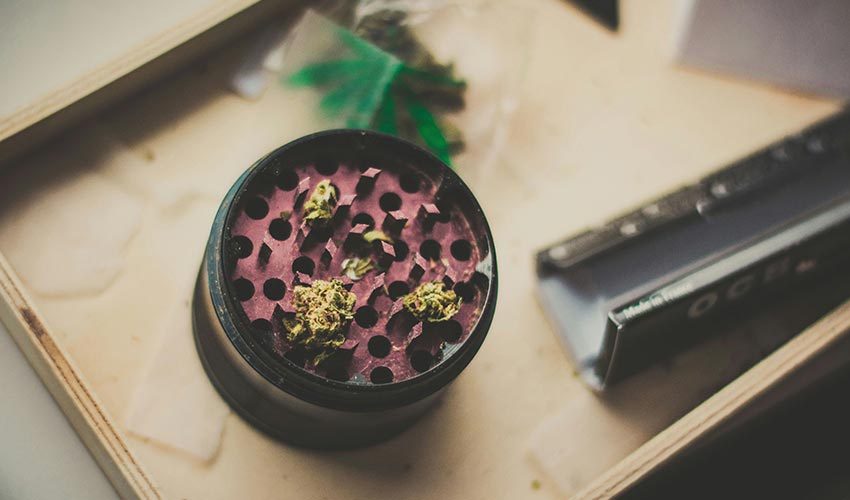
What to Do If Your Grinder Is Stuck or Clogged
If your grinder feels jammed or hard to turn, sticky resin or trapped plant material is the most likely culprit. Before doing a full clean, try these tips:
- The Freezer Trick: Freezing the grinder for 20 – 30 minutes can harden sticky buildup, making it easier to remove.
- Gentle tapping method: Light tapping can help loosen stuck plant matter; just be careful not to damage the grinding teeth or rotating faces.
Very worn grinders and damaged parts (such as screens) may need to be replaced. If the above tips aren’t doing the trick, it’s time for a deep clean.
How to Clean a Weed Grinder: Step-by-Step
The two main approaches to cleaning a weed grinder are a quick clean for routine maintenance and a deep clean for heavy resin buildup. Deciding which one’s right for you depends on your level of buildup; here’s how to tackle both.
Supplies
- Soft-bristled brush or toothbrush
- Cotton swabs
- Isopropyl alcohol
- Warm water
- Paper towels or a clean cloth
- Small container or bag
Quick Clean (Routine Maintenance)
- Disassemble the grinder so each section is accessible.
- Tap out loose plant material over a clean surface.
- Use a soft-bristle brush to remove debris from the grinder’s teeth and chambers.
- Wipe dry and reassemble once clean.
Deep Clean (Best Way to Clean a Weed Grinder)
- Fully disassemble the grinder.
- Remove any loose kief before cleaning so it doesn’t get wasted.
- Soak metal parts in isopropyl alcohol for about 20–30 minutes.
- Scrub the teeth, edges, and chambers carefully.
- Rinse thoroughly with warm water.
- Dry completely before using again.
How to Clean Different Types of Weed Grinders
The best way to clean a weed grinder depends in large part on what it’s made from. Some materials can handle alcohol soaking, while others need gentler care.
- Metal Weed Grinders: Soaking with isopropyl alcohol is the recommended play here. Scrub, rinse, and dry the weed grinder thoroughly before reassembling and using.
- Plastic Weed Grinders: Avoid prolonged alcohol exposure, as it may damage plastic. Use warm water (a few drops of dish detergent are fine) and a gentle scrub instead.
- Wooden Weed Grinders: Do not soak. Spot-clean these only, and use a dry brush to remove residue.
- Electric Weed Grinders: Remove the battery or power source first. Never soak, employ a damp cloth and careful brushing instead.
- Grinder Screen (Kief Catcher): Use a gentle brush to avoid tearing the fragile mesh. A light alcohol swab can help with buildup if called for.
Taking a moment to check your grinder’s material before cleaning can help prevent damage and keep it working smoothly. When in doubt, stick with gentle tools and minimal moisture to protect the grinder’s teeth, threads, and screen.
How Often Should You Clean a Weed Grinder?
When determining how often to clean your weed grinder, the main questions are: how often do you use it, and how quickly does resin build up? If you favor especially resinous, trichome-heavy strains, you may find your grinder simply demands more upkeep. A simple maintenance schedule will keep your grinder turning smoothly and prevent heavy buildup.
| Usage Level | Recommended Cleaning Frequency | Signs It’s Time to Clean |
| Occasional Use (1–2x/week or less) | About once a month | Grinder feels slightly sticky or doesn’t turn as smoothly |
| Regular Use (3–5x/week) | Every 2–3 weeks | Teeth look clogged, grinding becomes uneven |
| Daily / Heavy Use | Weekly or biweekly | Resin buildup is visible, screen becomes clogged |
Remember: Brushing out loose plant material after each use will extend the time between deep cleanings. Similarly, avoid overfilling the chambers and store the grinder dry to reduce buildup.
5 Common Mistakes to Avoid When Cleaning Your Grinder
Can things go wrong when cleaning a weed grinder? Sure, though it’s rare. Here’s how to keep this essential cannabis tool in tip-top shape and performing at its best.
- Avoid putting your grinder in the dishwasher: High heat and aggressive water pressure can warp parts or dull teeth. Trust us: With minimal effort, you can hand-wash your grinder for maximum performance.
- Do not boil your grinder: Boiling water can damage plastic components and may affect metal finishes. Use time, patience, and gentle soaking instead.
- Avoid harsh chemicals: Stick to isopropyl alcohol for metal grinders, and remember: It’s not for use with plastic grinders. Even with metal weed grinders, strong solvents can leave a residue or damage materials.
- Don’t scrape with sharp metal tools: The grinder teeth and kief screens are precision-engineered parts. Using hard tools and force can scratch or even ruin them.
- Avoid soaking non-metal grinders in alcohol: Plastic and wooden grinders can degrade if submerged. A gentle soak for plastic grinders (and a soft brushing for wooden ones) is the best way to keep them running smoothly.
Grind Up Some Quality Cannabis at Mission Dispensaries
If you want to get the most enjoyment from top-shelf flower, cleaning your weed grinder is a minor time investment that will pay major dividends. Whether you’re packing a bowl, rolling a joint, or enjoying a pre-roll, keeping your grinder clean helps you get the most bang for your cannabis buck.
Check our dispensary menus in Massachusetts or Illinois to explore Mission’s selection of grinders and flower close to you. Our budtenders are ready to help you find the perfect tool—or you can always visit our Mission Blog 24/7 for tips and info. We’re always here to help!
Weed Grinder FAQs
What’s the best way to clean a weed grinder?
To clean a weed grinder, start by disassembling it, removing any plant material with a soft brush, and then wiping it down. For heavy buildup, soak the components in isopropyl alcohol, scrub them gently, and rinse and dry the grinder before reassembling.
How to clean a plastic weed grinder?
When you’re learning how to clean a plastic weed grinder, remember that isopropyl alcohol can make plastic brittle or cloudy. Instead, disassemble it and soak the parts in warm water with a few drops of dish soap. Then use a soft-bristled brush to scrub away residue before drying and reassembling.
How long should you soak a grinder?
In general, the best way to clean your grinder is to soak it for 15-30 minutes, or up to 6 hours. Remember that isopropyl alcohol can degrade plastic weed grinders, so use warm water and a little dish soap instead.
Why is my grinder hard to turn?
Weed grinders become hard to turn when they’re clogged with plant matter. Disassemble it, remove any plant material with a soft brush, and then scrub gently, rinse and dry before reassembly.
Can you use rubbing alcohol to clean a grinder?
Rubbing alcohol or isopropyl alcohol is one of the best solutions for cleaning a metal or stainless steel weed grinder, but it’s not recommended for plastic grinders. Instead, use warm water with a few drops of dish soap to keep a plastic unit in good condition.

